Scandinavian Design
A lot of what it feels like to live and work in Denmark and work in a creative space like LEGO, in some senses, is hard to describe because it is felt rather than thought. There is a sense of calm, stillness, and groundedness in a present that feels fully lived. This strongly relates to Danish design values about the importance of the quality of our democratic everyday lives and interactions.
One of the stories that, for me, exemplifies these values is the mistranslation of the motto of The LEGO Company. The story is that the founder Ole Kirk Christiansen discovered that his son had sent off some toys to the train station with only two layers of varnish in order to save some money. His response was to order his son to go to the train station, get the toys back, unpack them and put on the third layer of varnish. His words on this occasion became famous as they became the motto of the LEGO Group. These are in Danish: "det bedste er ikke for godt".
This is often translated into English as: "Only the best is good enough." For me, this mistranslation exemplifies the difference between Danish culture and other countries’ approaches. “Only the best is good enough” could suggest that either you or your clients have a certain snobbery or standard that must be reached. This would be typical where design work is about serving an elite.
But that is not what the phrase means. The phrase actually means “the best is not too good”. This begs the question: for whom is it not too good? Well, obviously for children, as that is who the toys were for. So the actual meaning of the phrase in context is: The best is not too good for children. E.g., the best is not something that should be saved for someone else or a special occasion, rather, the best is what should be experienced every day in childhood play. By analogy, we should not put our best crockery away for when important guests come, and our family meals are on cheap crockery. Rather, we celebrate and embrace family meals as the most important and cared-for event. Our everyday life is the thing to celebrate and take pleasure in.
This attitude of a profound care for democratic values and the importance placed on the dignity and quality of the everyday is a profound aspect of Danish culture and design. It is also the reason why generally the best Danish designers don't create exclusive products for an elite, but focus on everyday objects like domestic lights; the things that make our lives feel kind and sacred. In some cultures, high design focuses on things like trinkets for the rich, like Fabergé eggs. It is notable that the triumphs of Danish design are things like comfortable, affordable armchairs for family homes. Or toys for children. The famous concept "hygge" to describe a desire to create feelings of companionship and cosiness in social settings is a small part of a much wider democratic desire to create quality of life for all citizens who have equal esteem and respect. Much of this goes back to Nikolaj Frederik Severin Grundtvig (1783–1872), the influential Danish theologian, educator, poet and founder of the folk-high-school tradition, who shaped or expressed so much of what is now modern Denmark.
This is a key feature for me of good learning design as well. The "Det bedste er ikke for godt" for all children when it comes to learning. A powerful example of this was when designing Amala, formerly called Sky School. The goal was to provide the same level of quality and care in a refugee camp as learners experienced in expensive fee-paying schools in Singapore. This was possible because the quality of design and the integrity of the experiences do not require a certain level of resource, but rather a certain level of attention and care to the nature of those designed experiences. A powerful example of this is Reggio Emilia’s early education settings. They are widely regarded as providing the best early childhood education in the world, and yet this is a perfectly ordinary, municipal-funded programme, with the same constraints on budget that every other Italian municipality has. The distinction is not funding or context, but rather a shared commitment that the best is not too good for children. Indeed, many of the materials come from the REMIDA Creative Recycling Centre in Reggio and are far from expensive.
My experiences of living and working in Denmark remain a powerful inspiration for my learning design. At the heart of this is a belief that for children "det bedste er ikke for godt". Fulfilling that belief requires not resources, but an absolute commitment to the quality of everyday experiences.
A good account of Scandinavian Design can be found in the book Scandinavian Design, published by Taschen. I highly recommend it. I am also a fan of Designskolen Kolding and one day, if life made that possible would love to do their Masters course in play design.
There is a deep resonance between Danish and Scandinavian design, and Hesscairn values like simplicity, nature, democracy, (post)humanism, autonomy, ἀγάπη and play.
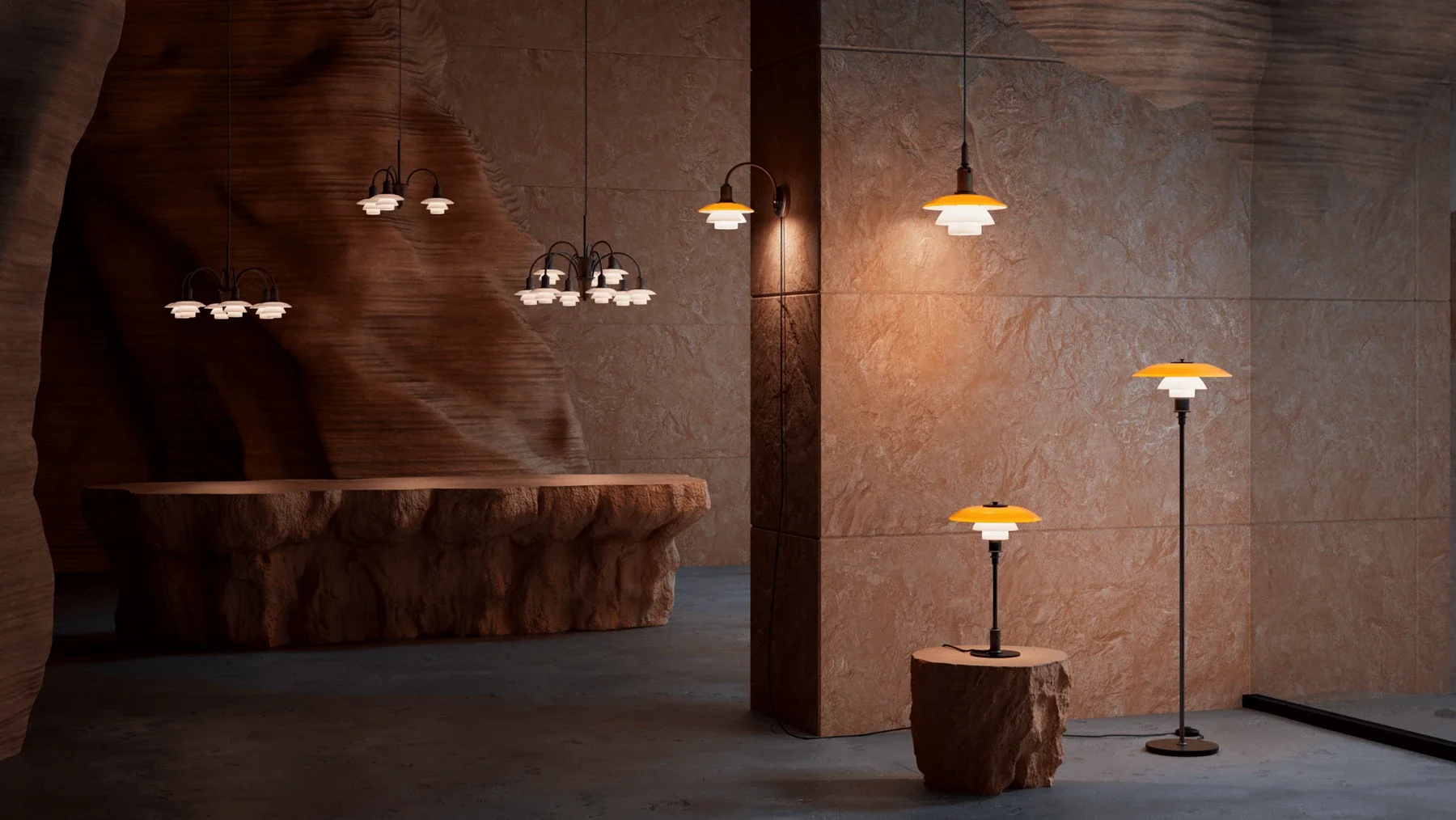
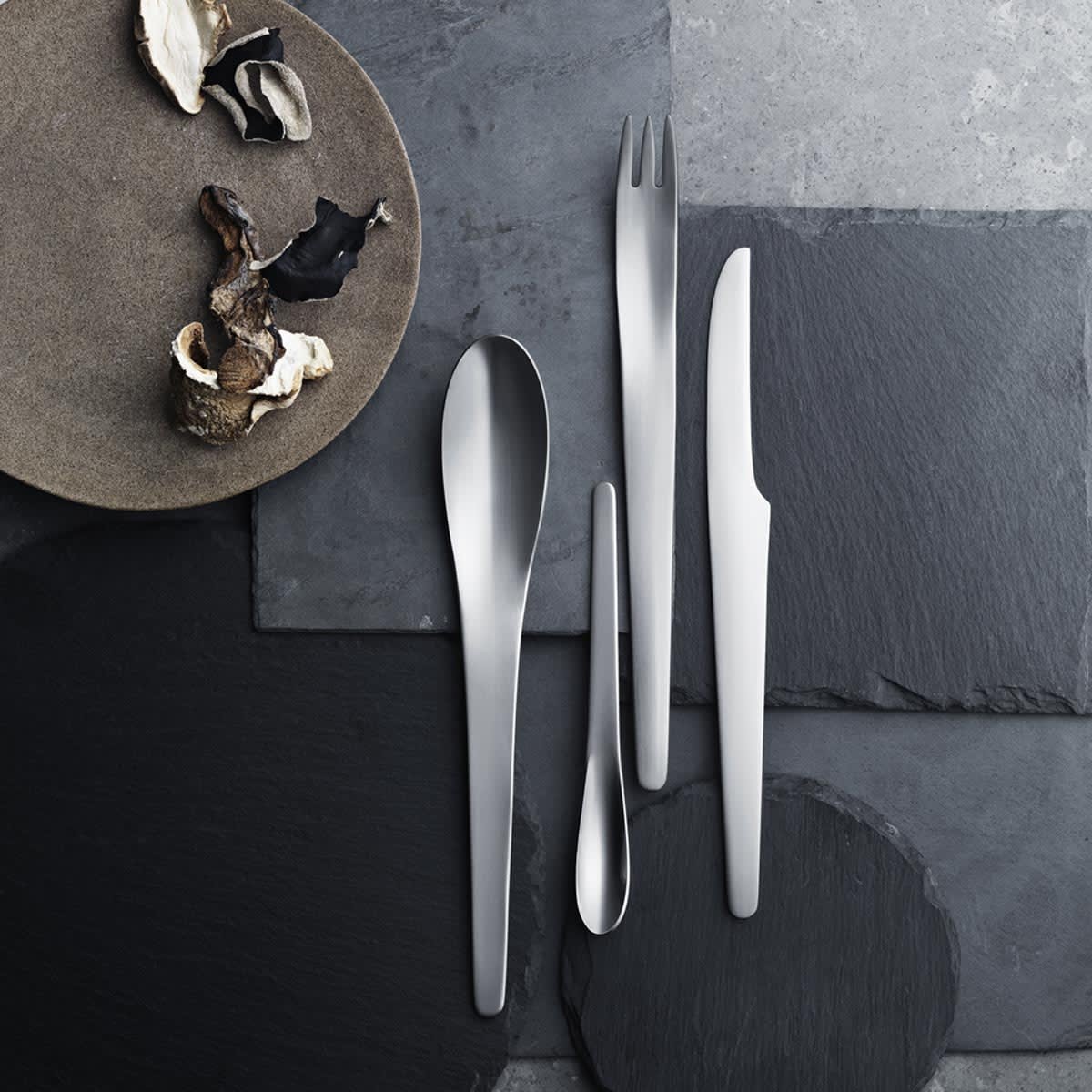
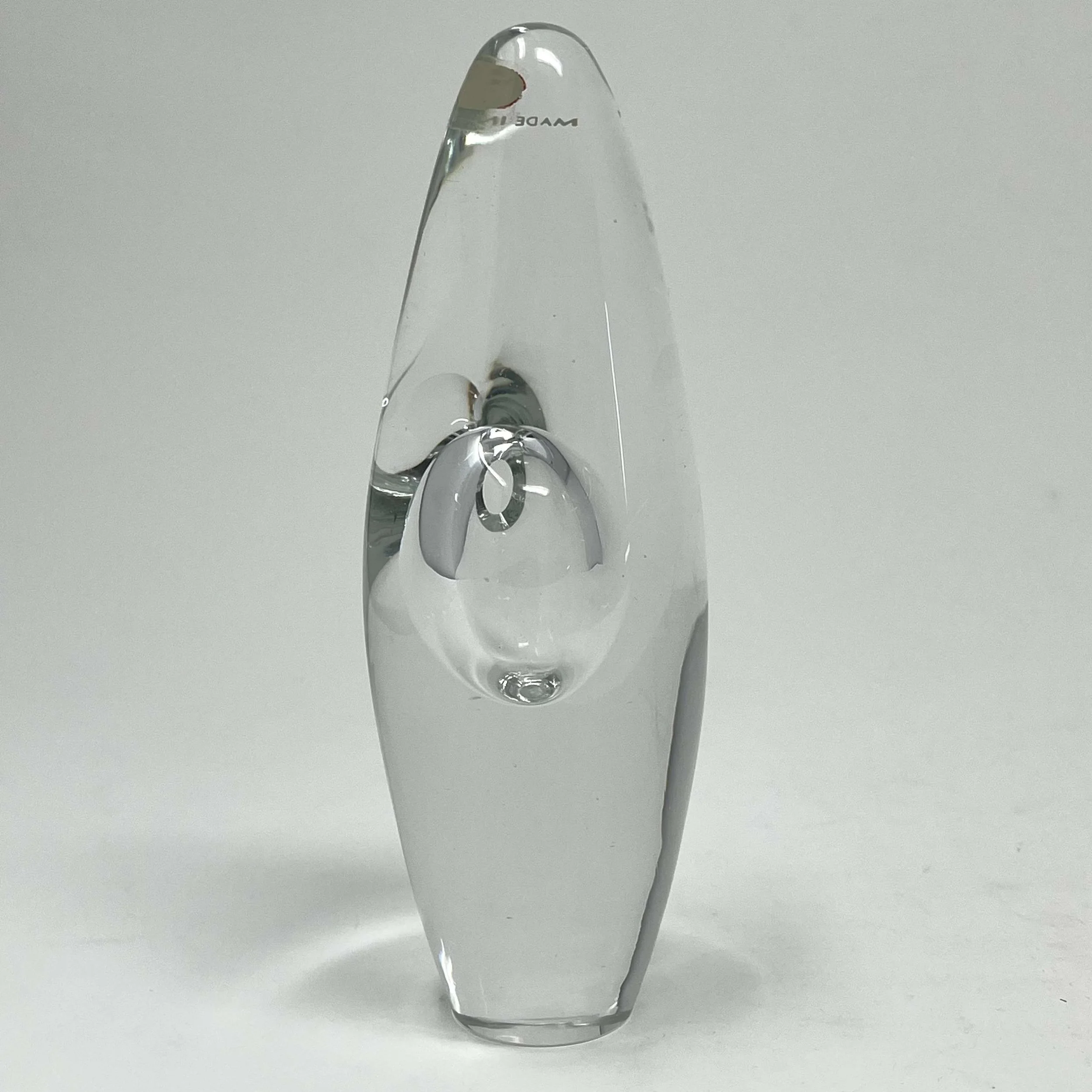
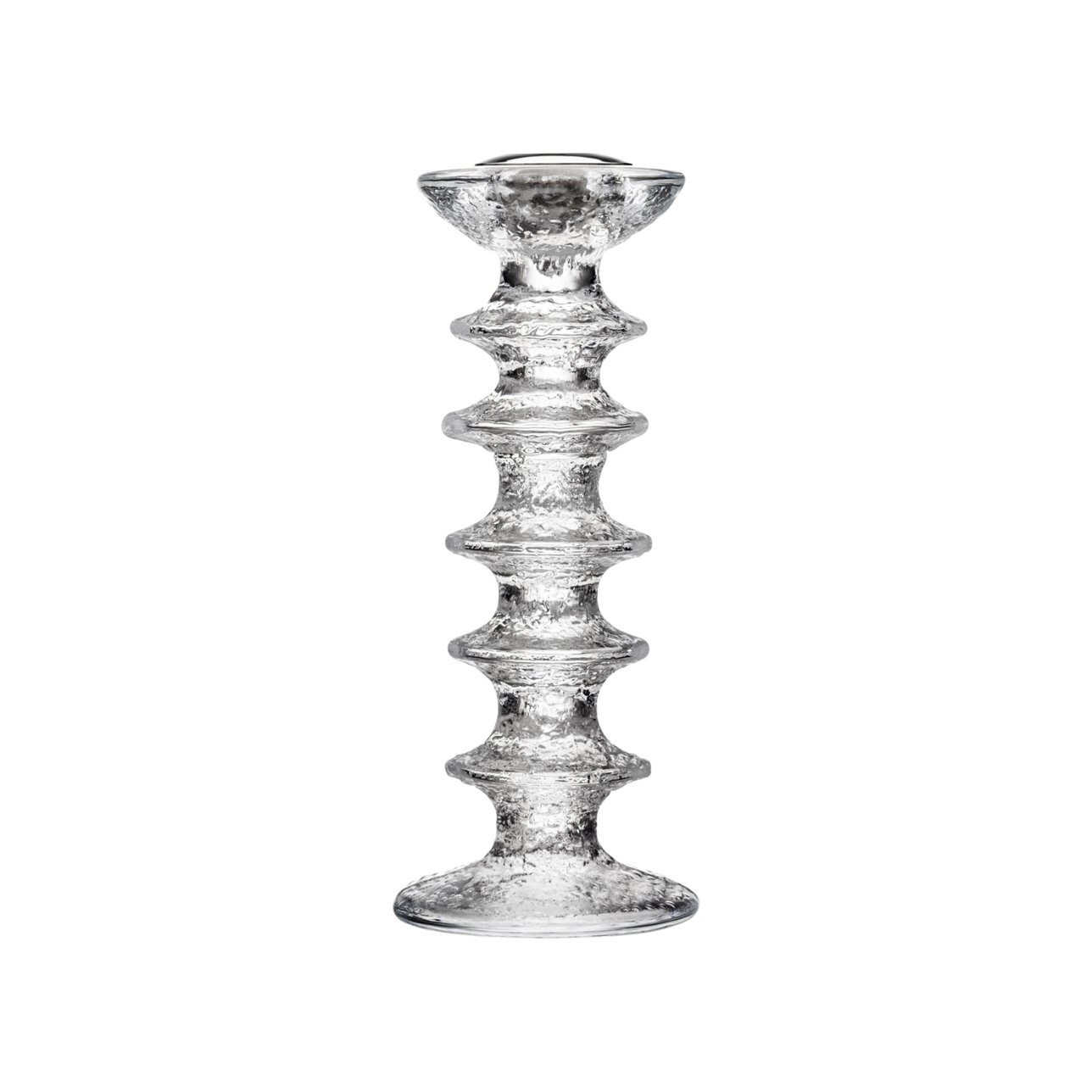
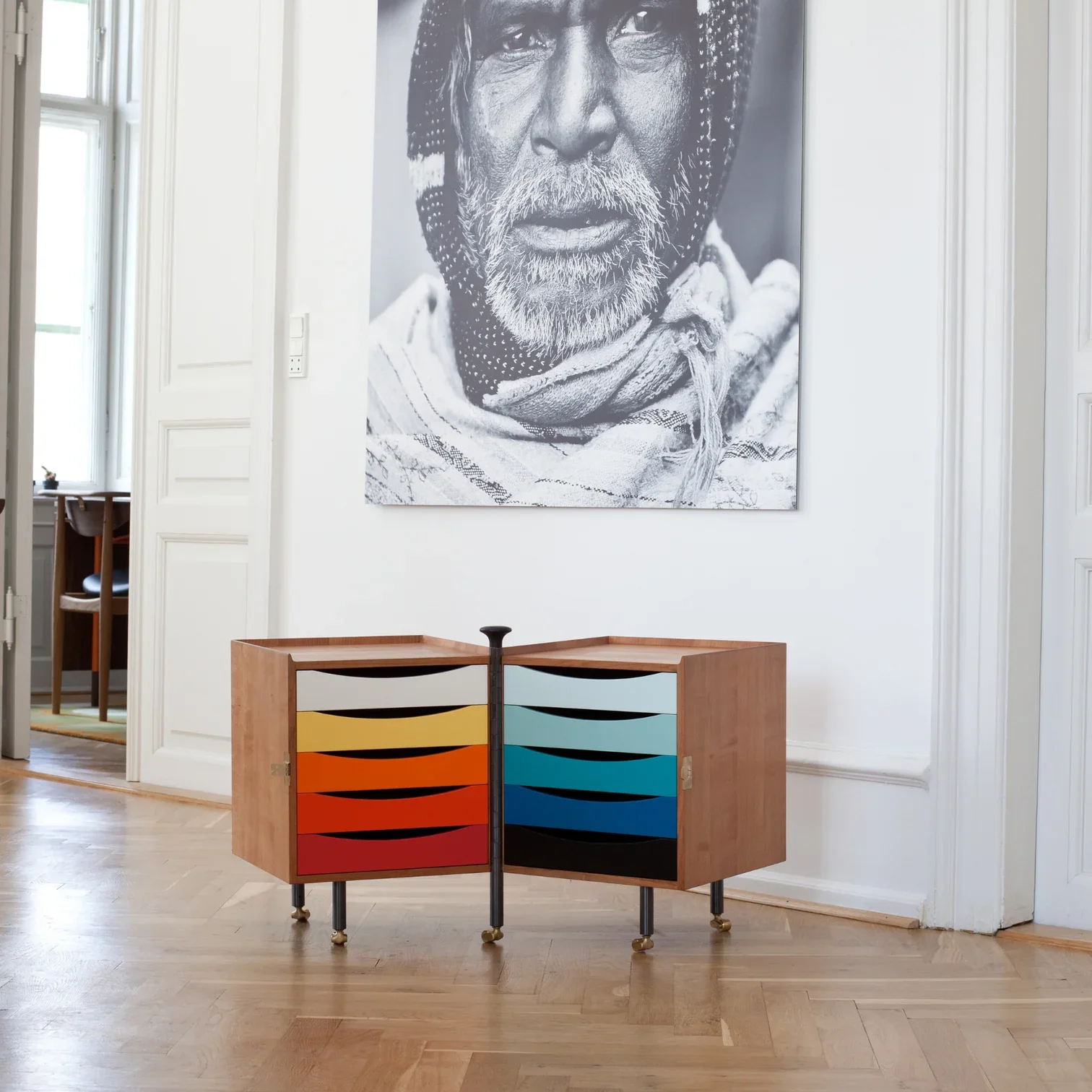
Some specific Danish and Scandinavian designs that I find beautiful are below.