Beautiful learning. What design can learn from art.
We often think of beauty and moral purpose as opposite virtues. I want to suggest that when it comes to learning design they are deeply connected, and like art, learning design has elements and principles that help articulate that beauty and also give it power. Good learning design is necessarily beautiful.
If we think of a person who values being ‘beautiful’, our minds often go to vanity, self-absorption and literally being ‘superficial’ e.g. caring about the surface. ‘Superficial and shallow’ is not a compliment for learning or a person. “Deep'' is what we want, and deep cares nothing for surface beauty.
But let’s explore the relationship between beauty and moral purpose. On the surface there isn’t one. The aesthetic movement in the nineteenth century valued beauty above all. Their chief protagonists, people like Oscar Wilde and James McNeill Whistler , made it clear that beauty had nothing to do with morality or purpose. At his trial Oscar Wilde was condemned by his own words, when the prosecutor reminded him of the Preface to Dorian Grey to help prove that Wilde was a man who had no morality because he valued beauty. Wilde had written the following.
There is no such thing as a moral or an immoral book. Books are well written, or badly written. That is all.
No artist has ethical sympathies. An ethical sympathy in an artist is an unpardonable mannerism of style.
We can forgive a man for making a useful thing as long as he does not admire it. The only excuse for making a useless thing is that one admires it intensely.
All art is quite useless.
But even Wilde, performing his aestheticism in front of an unappreciative Victorian audience, couldn’t hide the fact that his love of beauty, led him to a deep care for others. This is seen in stories like the Selfish Giant, and the Happy Prince. Accounts of his parenting emphasise his love and care, getting Whistler to help docorate the house for them, and later, choosing to send his children to a radical school set up to nurture ‘hand, heart, head’ in a setting that cultivated a connection to nature, had no uniforms, and everyone, including teachers, were called by their first name. A school with a strong moral purpose around service and ‘work of each for the weal of all’ long before people like Kurt Hahn, inspired by these examples, formalised that into the learning design of the international baccalaureate. The same school that the league of nations approached in the 1920s to first enquire about the possibility of setting up an international school, which never came to pass. That school was Badley’s Bedales, created as an offshoot of his experiences of Abbotsholme. Far from the assumption that a drive to beauty produces immortality and superficiality, Wilde’s drive to beauty for his children led him to exquisite moral stories, creating extraordinary spaces for his children, and progressive ‘head, heart, head’ education. That needs unpicking because beauty is not just an entry point that might end with thinking about the moral purpose of education, it is a driver of powerful learning designs with moral purpose.
From Art I want to turn towards Design. Unlike Wilde’s art, Design does not claim to be ‘useless’, in fact being useful is the raison d’être for a designed object as distinct from an artistic one. So why should something useful also be beautiful? Don Norman is probably one of the greatest and most influential designers and design theorists to come out of the California explosion of design that helped create Apple, IDEO, Stanford D.school etc. His book the Design of Everyday Things is a must read for those who are interested in design. His most famous phrase is
attractive things work better.
The archetypal example he gives is this lemon juicer.
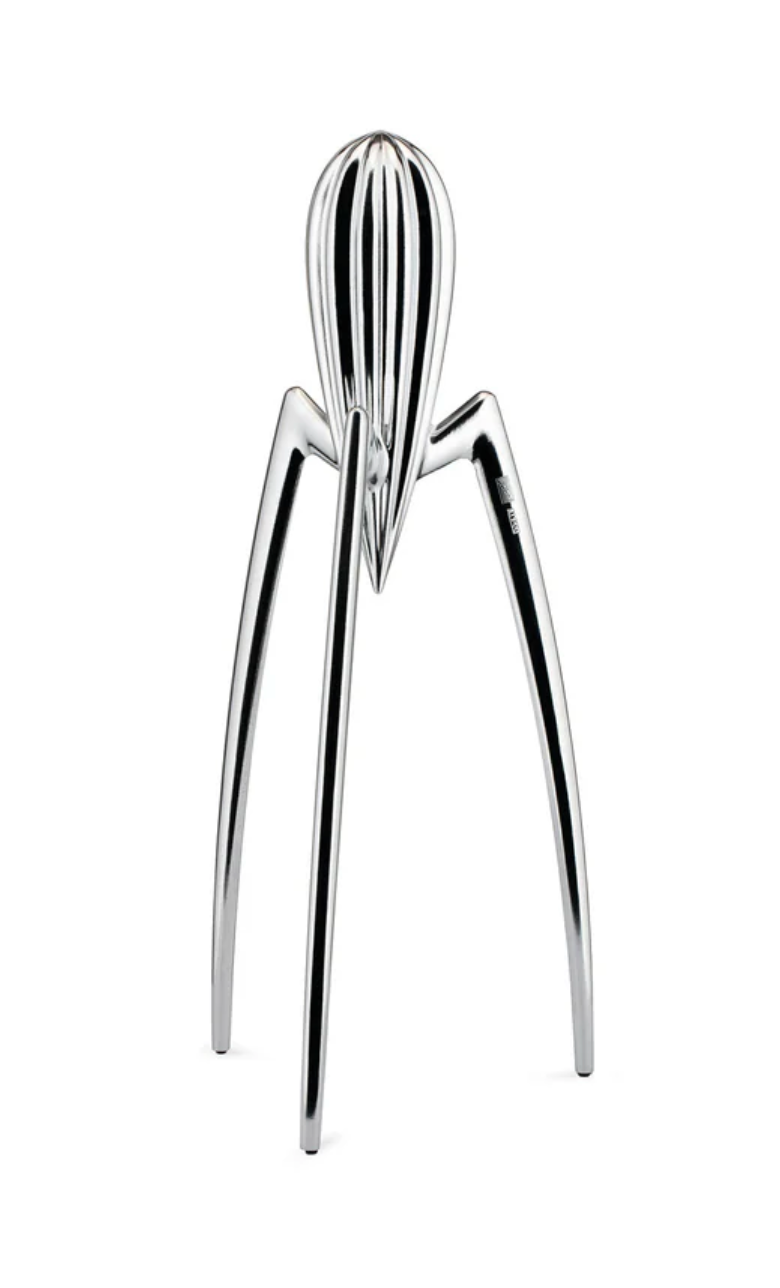
Juicy Salif Citrus-Squeezer Designed By Philippe Starck
The simplicity, joy and beauty of the object has resulted in extraordinary utility and efficacy. Firstly it’s playful and fun to use because it looks like a sleek alien space ship from Ziggy Stardust’s spiders from Mars, that has just landed. So it’s more likely that children and adults will want to use it. Already, it has helped create a more compelling culinary experience. Like the Friendly Giant’s garden, children will want to be involved and play. The elegance of the design means it doesn’t need extra pieces. The legs that hold it above the jug are already part of the design. The abrasive ridges to extract juice, are also the guides to focus the juice into the jug. The spider legs mean the liquid will not escape or get the hand hold them wet. The object is incredibly easy to clean as there are no nooks or crannies. There is a joy in being able to see everything that is happening, with no hidden ‘runs’ or concealed parts. The simplicity and joy that make is beautiful, are the same things that make it incredibly effective and easy to use.
Don Norman’s counter example is this.
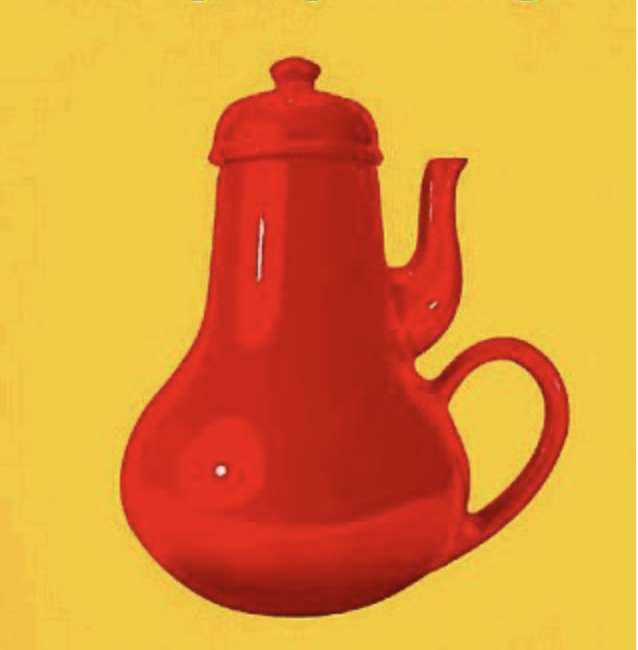
Don Norman’s Teapot from the Design of Everyday Things
When you look at this object, you get a sinking feeling. Whatever you do, it’s going to be hard to use. Best case scenario is that you don’t get burnt. The object doesn’t tell you how to use it - unlike the rocket which one glance at tells you how it works and where to put the jug. The above item is not only unattractive, but it’s a bad teapot.
Now let’s think about learning design. Most curricula when you pick them up and read them are like Don Norman’s teapot.
That might seem controversial, but as someone that has spent much of their life reading and implementing curricula, I can tell you they are normally an unattractive read, and really hard to use. Like the teapot, the normal concern is how to use them without getting burned. They are obscure, full of hidden workings, endless tweaks and complexities to make up for a lack of clarity of purpose and design. They don’t read like they have been created for humans, and often appear to have been written in some sort of educational machine code. Even as someone working on a doctorate in learning design, my general feelings reading them is a mixture of tension and anxiety to try to figure out what they are trying to achieve, and how I make that happen. The lemon juicer might look like an alien space craft, but most curricula read like they have been written in Klingon.
What’s going wrong?
Someone didn’t care about making the learning design joyful, beautiful and elegant. Because they assumed utility and beauty were unrelated. Like the preface to Dorian Grey, they assumed useful objects aren’t beautiful objects. But I think they are.
A counter argument might be, beauty is for the rich! Oscar Wilde’s aestheticism was for the likes of his aristocratic and bohemian friends, but has nothing to do with providing quality of life for a whole population. The masses just need ‘back to basics’ utility. But here’s the truth. The countries that have valued beautiful and useful objects for everyone, not just the elite, not only are some of the happiest places on earth according to world happiness reports, they also have some of the best design and best educational systems on earth. Welcome to Scandinavia.
Whilst many cultures at some point decided aesthetics was about luxury for the rich, Scandinavia decided that in a ‘flat’ and high trust society with equality of esteem, design must allow everyone to live with beautiful, useful objects that bring peace of mind and quality of life to everyday. To learn more about this I recommend Scandinavian Design by Charlotte and Peter Feill, now in its 45th edition. Look at these Louis Poulsen lights from Danish mid-century design.
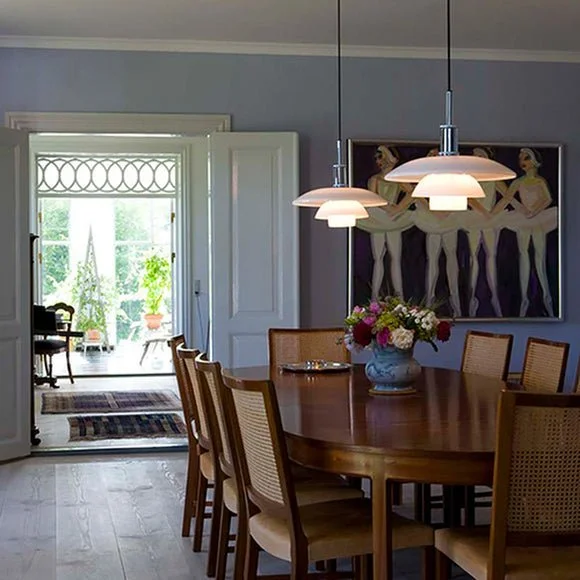
Louis Poulsen lights, Denmark, Mid-century
Like the juicer they are beautiful in form and feel. Their petals are highly functional in addition to elegant. They play a number of roles. They shield light so that lights can be used low down to zone light in one area of the room, without having to bleach out the rest of the space. The diner can sit in the puddle of light, feeling hygge, but with no glare whatsoever. But they also diffuse the light, so it is warmed and even, to create feelings of calm and wellbeing. They are the perfect, beautiful dining light for over a table, or in a reading nook. Joyful, simple and elegant.
These virtues of joy, beauty and elegance are at the heart of Hesscairn. The success of things like the design for Amala refugee high school diploma, or the Green School NZ Diploma, which have gone on to scale and impact, and win prizes for their quality, did not come from asking ‘is it ugly but useful?’. Instead, they came from a constant question of ‘it is simple, elegant, and beautiful? Is it joyful in that simplicity?’.
But going back to Oscar Wilde, there is something powerful we can learn from Art. Art has elements and principles it uses to articulate some of the attributes of beauty. Earlier we noted Wilde said “We can forgive a man for making a useful thing as long as he does not admire it“. I would argue we need to change this to “We can forgive a person for making a useful thing as long as they make sure it is elegant, joyful and beautiful”.
A key turning point for me as a learning designer was to articulate to myself what those qualities I was looking for in my, and others’, designs that make them elegant, joyful and beautiful. And hence devoloping the Hesscairn Elements and Principles of Learning Design. There are here.
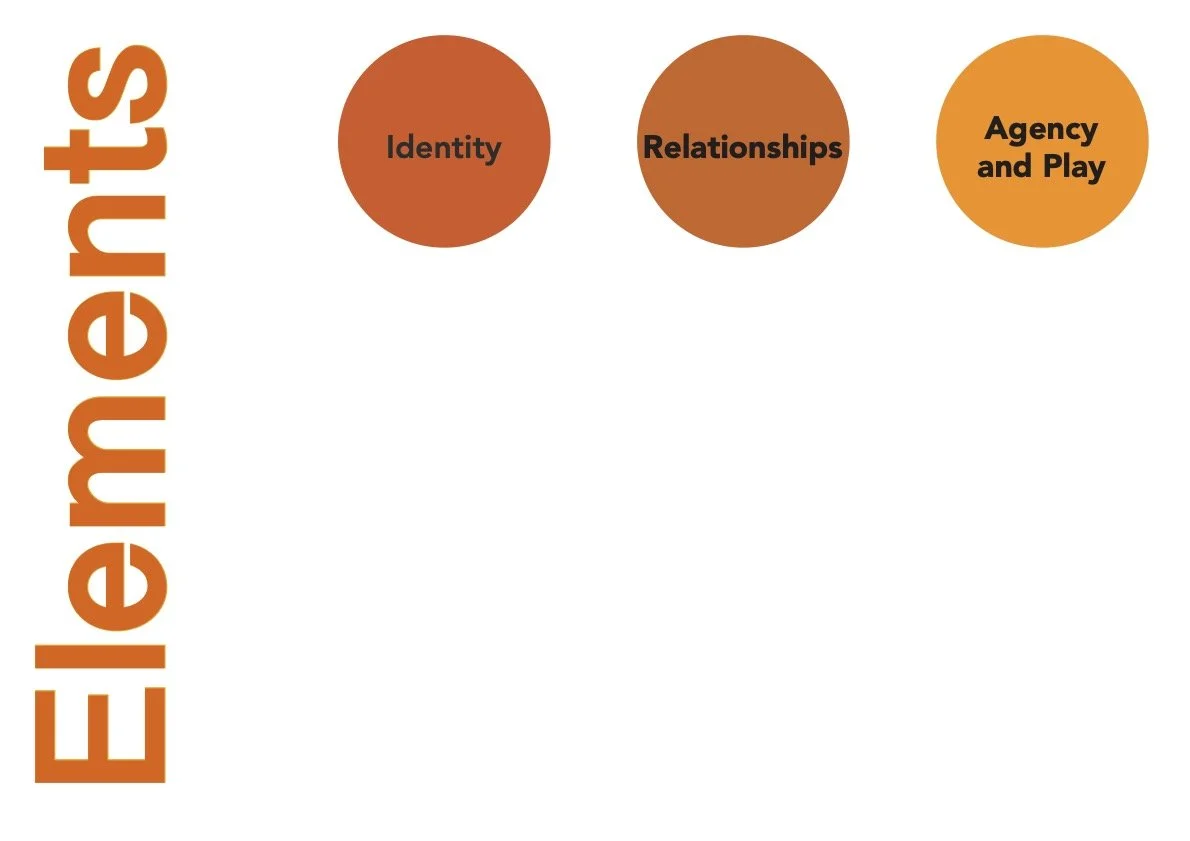
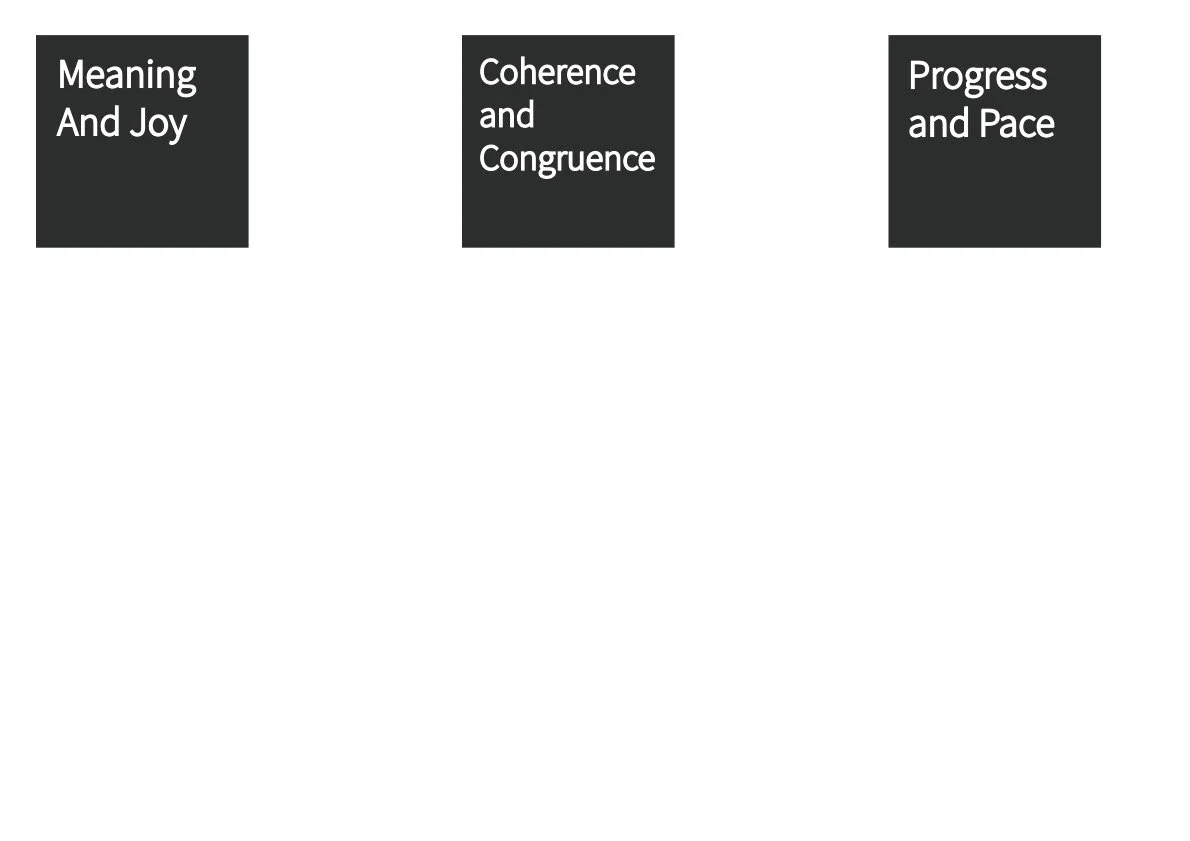
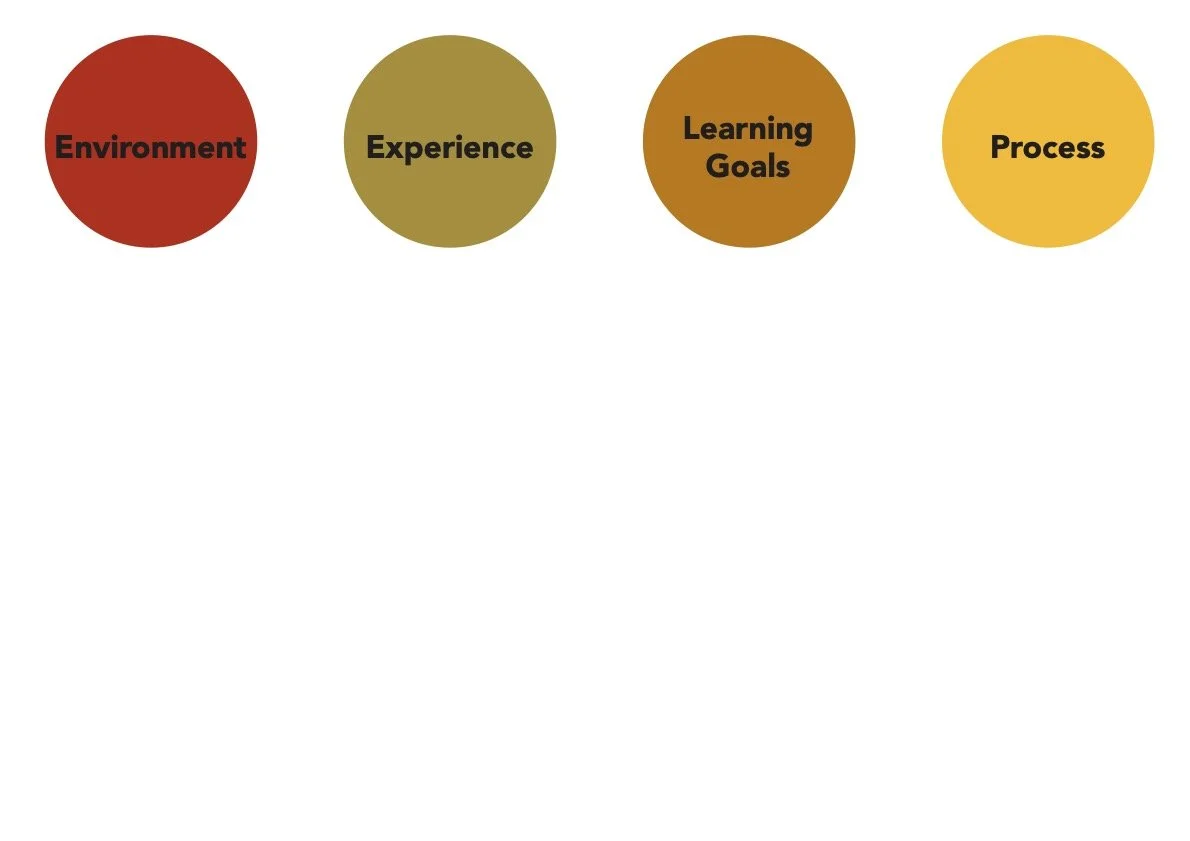
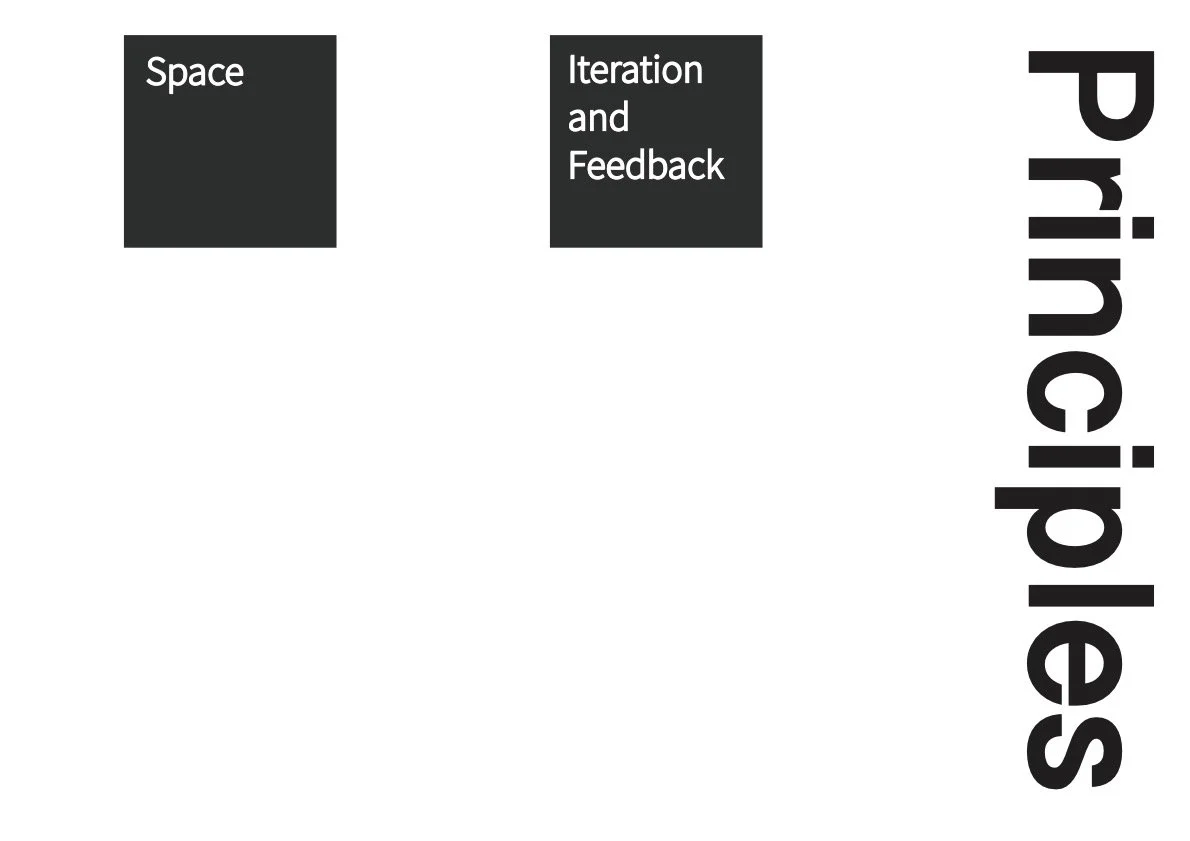
Great educators have always known this. From Reggio Emilia’s dictum of ‘nothing without joy’ to Kurt Hahn’s insistence that part of education is the aesthetic experience of nature, to more contemporary learning space designs by Rosan Bosch, and all the way back to Plato and Socrates looking for peaceful spaces outside the city walls to reflect and think, great learning, learning with impact and learning that can change the world with moral purpose, has always been elegant, joyful and beautiful.
If you wish to explore these ideas more, you can read more in the Hesscairn Guide to Learning, available from Ingrove Press , or you can find it on major online sellers like Amazon. You can also contact me if you wish to collaborate on an important learning design that is aligned to shared passions, has a strong moral purpose and needs to be elegant, joyful and beautiful. I am happy to do pro-bono where I have time if the organisation is aligned to my values, capacity at the time and is non-profit. I have previously worked with organisations like LEGO Foundation, Skateistan and was founding director of education at Amala refugee high school diploma. I have also worked on projects with multilaterals like the OECD, UNDP, World Bank. Small community projects are as interesting to me as major international ones. It’s about the quality of design, rather than the size of the workshop or production line.